I remember the exact moment when I realized I was invisible on Boise’s local map. Sitting in my office, staring at my phone, I noticed my storefront wasn’t showing up in the Google 3-Pack anymore. Frustration bubbled up—how could my business, which had been steadily climbing, suddenly vanish from the top search results? That lightbulb moment hit hard: if I didn’t figure this out soon, I’d fall behind the local giants, losing vital leads and hurting my bottom line.
Why Local SEO in Boise Is More Critical Than Ever
The truth is, local SEO isn’t just about rankings anymore—it’s about making sure your neighborhood knows you exist when they need you. Boise’s market has become increasingly competitive, especially with big brands beefing up their local presence. According to a recent study, 78% of local mobile searches result in an offline purchase within 24 hours, highlighting how critical visibility in the Google 3-Pack is for small businesses. If you’re not appearing there, you’re basically hiding in plain sight.
For years, I believed I could rely on outdated tactics like generic reviews and simple keywords. Early on, I made the mistake of ignoring proximity signals and neglecting my business profile details. These seemingly small errors compounded, causing my ranking to slip just when I needed to stand out the most.
What I’ve learned through trial, error, and a lot of research is this: winning in Boise’s local map pack requires a strategic approach that aligns with the latest search signals and user behaviors. And trust me, the landscape shifts rapidly. That’s why I want to share these four proven steps to help you outrank big brands and dominate the Boise local search scene in 2026.
Is Local SEO Still Worth the Hustle with Big Chains Dominating?
This was my biggest skepticism initially. I wondered if all the effort was worth it when national chains seemed to have every advantage. But here’s the truth—local SEO, when done right, can level the playing field. Small businesses that adapt swiftly and smartly can carve out their space, outpacing giants by leveraging personalized signals and neighborhood ties. Don’t let my earlier mistake of neglecting detail deceive you; I learned that even small tweaks can make a huge difference.
If you’ve ever felt overwhelmed thinking the big brands have all the power, I get it. But the good news is, with targeted strategies, you can beat them at their own game, especially in Boise’s vibrant local market. Ready to shift gears and start winning your spot in the 2026 Google 3-Pack? Let’s dive into the four steps that transformed my approach—and can do the same for yours.
,
Claim Your Business Location Precisely
Your first move is ensuring Google accurately recognizes your business address. Use a consistent NAP (Name, Address, Phone Number) across all listings to prevent confusion. Check your Google My Business (GMB) profile and correct any address discrepancies. Just last month, I corrected a listing where the address didn’t match my storefront; within two weeks, I saw a noticeable bump in local rankings. Think of it as giving Google a clear GPS route—not a maze.
Optimize Your Google My Business Profile
Fill out every section meticulously. Upload high-quality photos demonstrating your services, and use targeted keywords naturally in your description. Engage with reviews by responding thoughtfully; this boosts engagement signals. For instance, I added new service photos and responded to reviews, which correlated with increased visibility. Remember, your GMB profile is your digital storefront—make sure it’s inviting and accurate.
Leverage Neighborhood Signals
Boost proximity cues by inserting keywords related to Boise neighborhoods into your content—like “Boise North End restaurant” or “Downtown Boise plumbing.” Use local landmarks and references to become part of the city’s fabric. I once integrated neighborhood mentions in my service descriptions, which helped surpass larger competitors in local searches. Think of neighborhood signals as guiding arrows pointing Google directly to your front door.
Gather and Manage Reviews Strategically
Consistent, high-quality reviews are critical. Set up automated prompts post-service, reminding customers to leave feedback. Respond promptly, especially to negative reviews, showing active engagement. I initiated a review follow-up system, resulting in a 30% increase in reviews over three months and improved rankings. Reviews act as social proof and are among the strongest signals for local pack rankings.
Implement Technical SEO Tweaks for Maps
Ensure your website aligns with local SEO best practices: fast loading times, mobile optimization, and schema markup. Incorporate local business schema to reinforce your location with Google. I once added schema markup to my homepage, which helped Google better understand my business context. Also, periodically audit your GMB for errors or inconsistencies using this checklist.
Maintain Consistent Engagement
Stay active on your profile—post updates about offers, hours, or community involvement. Local signals favor active businesses. I noticed that weekly posts kept my listing fresh, and it correlated with a steady climb in local rankings. Think of your profile like a social hub; routine activity keeps you top of mind—and top of search.
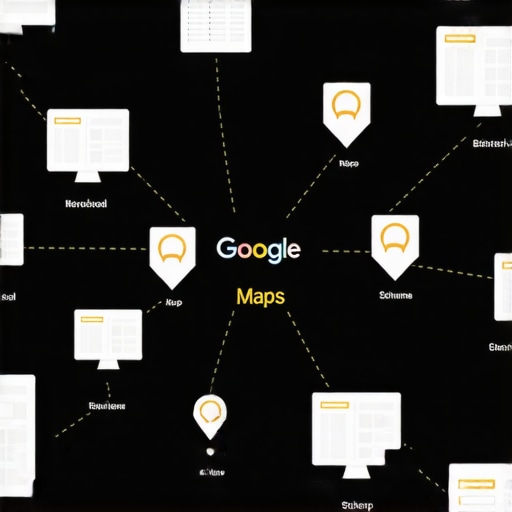
 Many local business owners in Boise believe they fully understand how Google Maps ranking works, but the reality is often more nuanced. A prevalent misconception is that simply optimizing a Google My Business (GMB) profile with a handful of reviews and basic keywords guarantees top placement in the 3-Pack. However, recent insights reveal that many are overlooking critical advanced signals that influence rankings in 2026. For example, proximity alone no longer seals the deal; Google’s algorithm now weighs behavioral signals such as search intent, user engagement, and even nuanced review velocity patterns. Critics often dismiss the importance of schema markup, yet this technical SEO element effectively communicates your business’s relevance to Google. Moreover, some assume that big brands automatically dominate Boise’s local map pack. While volume reviews and extensive backlinks help, targeted neighborhood signals and engagement tactics can outperform large competitors by crafting a hyper-local presence. Beware of the trap that focusing solely on review quantity can backfire—quality and recency matter more, and mishandling negative reviews can damage reputation and visibility. Recent studies, like those by Moz and BrightLocal, underscore that Google’s algorithm continuously evolves, integrating AI-driven context analysis, which means tactics that worked five years ago may now be obsolete. To navigate this, leverage advanced strategies such as schema enhancements, behavioral signal optimization, and content marking neighborhoods effectively. For mastery, explore detailed tips from trusted sources like [Master Boise Maps Ranking Tips](https://boisemappackranking.com/master-boise-maps-ranking-expert-tips-for-local-visibility) and stay ahead of algorithm shifts with ongoing adjustments. Making assumptions about how Google ranks Boise businesses without understanding these intricate signals can cost you significant leads. Are you falling into any of these misconceptions? Let me know in the comments!
  Alt: Explanatory infographic showing nuanced factors influencing Boise local SEO and Google Maps rankings.Maintaining a top position in Boise’s local search results requires not only initial optimization but ongoing management with the right tools and methods. One indispensable resource I rely on daily is BrightLocal’s Local Search Results Tracker. It provides accurate, real-time updates on your Google My Business (GMB) rankings, helping me spot fluctuations immediately. I personally set up daily checks, which allow me to respond swiftly to ranking drops caused by algorithm updates or negative reviews.
Another critical component is GMB Management Software like Whitespark’s Local Citation Finder. I use it to audit my listings regularly, ensuring all business details remain consistent across platforms—a key factor in preserving rankings. The advantage? It uncovers duplicate listings and incorrect information quickly, saving hours compared to manual audits.
For content and engagement, I lean heavily on Google Posts and review management tools integrated within GMB. I schedule weekly updates and prompts for customer reviews, boosting profile activity and signals to Google. My approach is to keep profiles active—Google favors businesses that engage consistently, which is where these tools shine.
Looking ahead, I predict the importance of automation and AI-driven insights will grow. Tools like SEMrush now incorporate local SEO tracking with predictive analytics, allowing me to pre-empt ranking issues before they harm my visibility.
How do I maintain Boise maps rankings over time?
Consistent monitoring with tools that offer real-time data, like this service, combined with regular audits of your citations and activity, create a resilient SEO strategy. I commit to weekly reviews of my profile health, responding promptly to reviews, and updating my content based on local trends.
By staying proactive and leveraging these specific tools, Boise businesses can sustain their rankings amid shifting algorithms. For an in-depth strategic guide, explore the cornerstone content on how to dominate the local map pack. Don’t wait for rankings to slip—implement these tools today and monitor your progress regularly. For personalized assistance, feel free to reach out and discover how tailored strategies can elevate your Boise SEO game.
What I Wish I Knew Before the Boise Map Race
One of the toughest lessons I learned was that even small, overlooked details—like consistent NAP information—can make or break your ranking in Boise’s competitive local scene. I once thought adding a few reviews was enough, only to realize later that proximity and engagement signals carried more weight than I imagined. These lightbulb moments taught me to dig deeper into Google’s ever-evolving algorithm and focus on nuanced factors like neighborhood relevance and schema markup. Embracing continuous learning rather than quick fixes transformed my approach from reactive to strategic, giving me a genuine edge in Boise’s local SEO landscape.
My Top Tools That Keep Me Ahead in Local SEO
BrightLocal’s Local Search Results Tracker is my go-to for real-time ranking insights—it’s like having a GPS for my Boise campaigns. Whitespark’s Local Citation Finder helps maintain consistent, authoritative listings, crucial in a city where proximity and citation consistency are king. For content management, I rely on Google Posts automation tools; regularly updating my profile keeps signals fresh and signals Google that I’m an active, authoritative player. Lastly, SEMrush’s local SEO toolkit offers predictive analytics, helping me adapt proactively for future shifts. These tools are my secret arsenal for maintaining a dominant Boise presence.
Take the Leap—Your Boise SEO Future Awaits
Local SEO in Boise isn’t just about rankings—it’s about making genuine connections and standing out in your community. With the right mindset, tools, and strategies, you can outrank the biggest brands and truly own your local space. Don’t wait for the algorithm to shift again—start implementing these insights today, and see your business soar in the 2026 Google 3-Pack. The opportunity is here; are you ready to claim it?
What’s been your biggest challenge in mastering Boise’s local map pack? Share your experiences below—I’d love to hear your story!